Illuminated 3D signage gives a brand physical presence during the day and visibility after dark. From reception logos and retail fascias to building-mounted letters, the final result depends on more than the shape of the letters. Material choice, lighting method, fabrication and installation all need to be designed as one system.
Start with where the sign will live
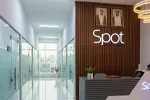
Indoor reception signage can prioritise fine finishes and subtle lighting. Outdoor signage must also withstand heat, UV exposure, dust, moisture and wind. The mounting surface, available power, viewing angle and distance from the road or walkway determine the size and construction approach.
A site survey should confirm dimensions, access, fixing conditions and cable routes before production drawings are finalised.
Common face and return materials
Acrylic is frequently used for illuminated faces because it distributes light and is available in many colours and diffusion levels. Aluminium and stainless steel provide durable letter returns and premium finishes. Painted metal can match brand colours, while brushed or polished metal creates a more architectural appearance.
The right choice depends on letter depth, size, location and the desired day-time look. Mixed materials are often used to balance weight, durability and light quality.
Front-lit, halo-lit or both?
Front-lit letters emit light through the face, creating strong direct visibility. Halo-lit letters project light onto the background, producing a softer outline around solid-faced letters. A combination can deliver both impact and depth.
The background surface affects halo lighting. A smooth, light-coloured wall reflects more evenly than a dark or highly textured surface. Stand-off distance must be consistent so every letter produces a balanced glow.
LED planning makes the difference
Even illumination requires the correct LED module spacing, colour temperature, power supply and internal reflection. Poor planning can create visible bright spots, dark edges or colour differences between letters. Drivers should be accessible for future maintenance without weakening the sign or damaging the finished wall.
- Choose a colour temperature that suits the brand and surrounding architecture.
- Allow ventilation and use components rated for the location.
- Plan separate circuits where maintenance or control requirements demand them.
- Test the complete sign before it leaves the workshop.
Accurate fabrication protects the brand
Letter shapes should follow approved vector artwork, with consistent returns, corners and spacing. A full-size layout or installation template helps transfer the design to the wall accurately. Samples can be useful when a metallic finish, paint colour or diffusion level is critical.
Safe installation and clean cable management
Installation may involve concealed studs, raceways, access equipment or engineered support frames. Fixings must suit both the sign weight and the building substrate. Electrical connections should be protected and hidden wherever possible, while remaining serviceable.
After installation, the team should check alignment in daylight and illumination after dark. Photographs from the primary viewing positions help confirm that spacing and brightness work as intended.
Create signage that performs around the clock
Good 3D signage is recognisable, durable and easy to maintain. Spot Media supports signage projects in Qatar with site surveys, technical design, fabrication, LED integration and installation. Send us your logo, preferred location and site photographs to begin an accurate signage proposal.