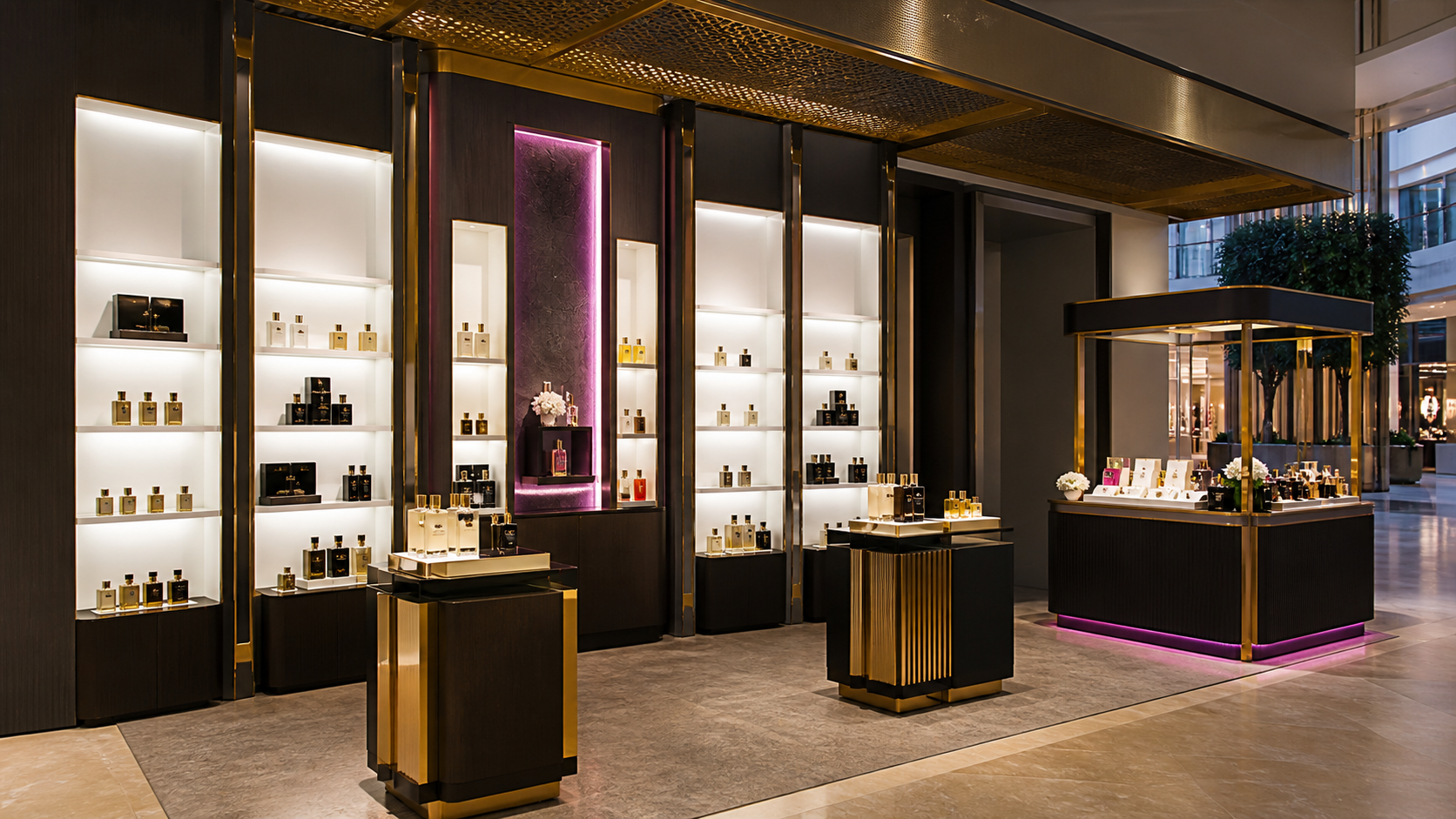
A retail display has a demanding job. It must be noticed in a busy environment, explain the product quickly and make the next action feel easy. Whether it is a window feature, promotional island, branded wall or point-of-sale unit, the best display connects creative design with practical shopper behaviour.
Lead with one clear message
Retail spaces already contain many visual signals. A display becomes stronger when it prioritises one campaign idea instead of trying to communicate everything. The main headline should be readable at the expected approach distance, while price, product benefits and supporting information can appear as the shopper moves closer.
A simple hierarchy—brand, product, benefit, action—helps people understand the offer without slowing down.
Design for the real customer journey
A display should be planned for its exact location. A mall corridor window needs long-distance impact. An in-store endcap must work from several angles. A checkout unit needs to support quick decisions without obstructing staff or customer flow.
Good planning considers where people enter, what they see first, how they reach the product and where they stand while reading or interacting. Even a beautiful display underperforms if it creates a bottleneck or hides the merchandise.
Let the product remain the hero
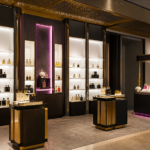
Lighting, graphics and structure should frame the product rather than overpower it. Shelves need the correct depth and loading capacity. Testers and samples should be accessible. Premium items may need controlled lighting, secure fixings or lockable storage without making the experience feel closed.
Choose materials for the campaign life
A two-week promotion and a permanent shop-in-shop should not be built the same way. Cardboard and lightweight boards can suit short campaigns, while painted joinery, metal, acrylic and integrated lighting provide the durability expected from longer installations.
- Confirm the intended campaign duration and reuse plan.
- Select finishes that tolerate regular cleaning and customer contact.
- Allow safe access for restocking and maintenance.
- Design components to fit lifts, doors and mall delivery routes.
Use lighting and digital content with purpose
Integrated LEDs can improve product visibility, define edges and strengthen the campaign colour palette. Screens can add motion, demonstrations or changing offers, but content should be short and understandable without sound. Power, ventilation and cable access must be resolved before fabrication.
Prototype the details that matter
For a new concept or a multi-location rollout, a prototype helps validate dimensions, finishes, product fit and assembly. It also gives the brand team a physical reference for consistency. Small adjustments made before the rollout can prevent repeated problems across every location.
Installation is part of the customer experience
Retail work often happens overnight or within strict mall access windows. Packaging, labelling and installation sequencing should be planned to keep the site clean and minimise disruption. A final inspection checks alignment, lighting, stability, graphics and product placement before handover.
Build displays that support both brand and sales
Effective retail displays combine visual impact with easy shopping and reliable operation. Spot Media designs and produces branded retail environments, promotional displays and point-of-sale solutions across Qatar. Share your campaign objective, locations and product dimensions with our team to develop a display that is ready for real-world retail.