A successful exhibition stand is much more than a decorated structure. It is a temporary brand environment designed to attract attention, guide visitors and support real conversations. In Doha’s fast-moving exhibition calendar, every detail—from the first floor plan to the final power check—has to be coordinated carefully.
1. Start with the business objective
Before sketching the stand, the team needs to understand what the brand wants visitors to do. Is the priority to launch a product, host private meetings, demonstrate equipment or collect qualified leads? The answer affects the layout, messaging, lighting and even the amount of storage required.
A useful brief normally includes the venue and stand dimensions, open sides, visitor profile, brand guidelines, required functions, installation dates and budget range. Clear information at the start reduces late revisions and helps the design team focus on the experience that matters.
2. Turn the brief into a visitor journey
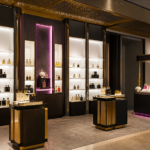
Concept design translates the brief into a space people can understand quickly. Strong exhibition stands usually create a clear visual hierarchy: a visible brand identifier, one main message, a natural entrance and an obvious focal point. Product displays, reception counters, meeting areas and digital screens should support the journey instead of competing for attention.
In a busy hall, visitors decide in seconds whether to stop. Open sightlines, readable graphics and a confident architectural form make that decision easier.
3. Resolve the technical details
Once the direction is approved, the stand moves into technical development. Detailed drawings define dimensions, materials, electrical loads, lighting positions, graphic sizes and structural connections. Venue regulations, fire-safety requirements and access limitations also need to be checked before production begins.
- Structural elements must be stable and suitable for repeated visitor traffic.
- Graphics should be specified at the correct resolution and final size.
- Power, lighting and screen locations need to match the equipment plan.
- Hidden storage and cable management keep the public area clean.
4. Fabricate, print and test
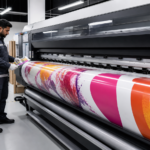
Good production is a coordinated process. Joinery, metalwork, painting, large-format printing, signage and lighting are prepared to work as one system. Colour proofs and material samples help confirm the finish before the final build.
Where possible, key sections are pre-assembled in the workshop. This catches fit issues early and gives the installation team a clearer plan for the limited setup window at the venue.
5. Install with a controlled handover
On-site installation is where planning becomes visible. The crew follows the approved drawings, coordinates with venue services and protects finished surfaces while other contractors are working nearby. The final handover should include checks for stability, lighting, electrical supply, graphics, screens, doors and overall cleanliness.
Plan the complete experience with one production partner
When design, fabrication, print and installation are managed together, the final stand feels consistent and the schedule is easier to control. Spot Media supports exhibition projects in Qatar from the first concept through production, installation and dismantling. If you are preparing for an upcoming event, share your stand size, venue and objectives with our team to begin a practical project plan.